Frequently Asked Questions

Managing utility bills for a large family requires practical knowledge and consistent habits. Here are answers to common questions about reducing household expenses while maintaining comfort.

The primary expenses include electricity, heating during winter months, water supply, and waste management. In Sofia, heating costs typically represent 40-50% of total utility bills during cold months. Electricity accounts for 25-30%, water consumption around 15-20%, and waste management 5-10%. For a family of five or more, monthly bills can range from 250 to 450 BGN depending on the season and consumption habits. Understanding this breakdown helps identify where to focus reduction efforts most effectively.

Start by replacing traditional bulbs with LED lighting throughout your home, which uses 75% less energy. Establish clear rules about turning off lights when leaving rooms. Use power strips for electronics and switch them off completely when not in use, as standby mode still consumes energy. Schedule laundry and dishwasher cycles during off-peak hours if you have a time-of-use tariff. Teach children to unplug phone chargers after devices are fully charged. Consider upgrading to A+++ rated appliances when replacements are needed. These changes can reduce electricity bills by 20-30% annually.

The recommended temperature is 20-21°C for living areas during daytime and 18-19°C for bedrooms at night. Each degree lower saves approximately 7% on heating costs. For families with young children, maintain 21-22°C in rooms they occupy. Install programmable thermostats to automatically reduce temperature when everyone is asleep or away. Dress children in layers indoors so they stay comfortable at lower temperatures. Close doors to unused rooms and lower heating there. During Sofia winters, these practices can save 100-150 BGN monthly compared to maintaining 23-24°C throughout the home.

A family of five typically uses 15-20 cubic meters of water monthly in Sofia. Install aerators on faucets to reduce flow by 30-50% without noticeable pressure loss. Fix leaky taps immediately - a dripping faucet wastes 20 liters daily. Take showers instead of baths, and limit shower time to 5-7 minutes. Run washing machines and dishwashers only with full loads. Collect cold water while waiting for hot water to arrive and use it for plants. Teach children to turn off taps while brushing teeth. These habits can reduce water consumption by 25-35%, saving 15-25 BGN monthly.

For apartments in Sofia, start with sealing windows and doors using weatherstripping or silicone sealant, which costs 50-100 BGN but saves 10-15% on heating. Install thermal curtains or cellular blinds on windows, particularly those facing north. Add door sweeps to exterior doors. If allowed by building management, consider installing secondary glazing on single-pane windows. Place rugs on cold floors, especially in children's rooms. Insulate pipes in unheated areas. These improvements typically pay for themselves within one to two heating seasons through reduced energy consumption.

Time-of-use tariffs benefit families who can shift major consumption to off-peak hours. If you can run washing machines, dishwashers, and water heaters between 22:00 and 06:00, you may save 15-20% on electricity. However, this requires discipline and planning. Calculate your current consumption pattern for one month before switching. Consider whether your lifestyle allows flexibility - families with young children who need early bedtimes may find this challenging. Contact your provider for a detailed comparison based on your actual usage data. The switch itself is typically free and reversible.

Create a family challenge with visible tracking of monthly consumption. Assign age-appropriate responsibilities: younger children can turn off lights, older ones can monitor shower times. Explain bills in simple terms so children understand the connection between actions and costs. Set achievable goals with small rewards when targets are met. Use visual reminders like stickers near light switches saying "Please turn me off." Make it educational rather than punitive - discuss why conservation matters beyond just money. When children understand and participate, families typically see 10-15% additional savings compared to parent-only efforts.

The refrigerator runs continuously and typically uses 20-25% of kitchen electricity. Keep it at 4-5°C and the freezer at -18°C. Ensure door seals are intact and avoid placing hot food inside. The oven uses significant energy - batch cook multiple dishes simultaneously and use residual heat for warming. Electric kettles are efficient but only boil the water you need. Dishwashers are more efficient than hand washing for full loads, but skip the heated dry cycle. Slow cookers use less energy than ovens for long-cooking dishes. Microwave ovens are efficient for reheating and cooking small portions.

Bulgaria offers heating allowances for low-income families during winter months, typically from November to March. Eligibility depends on household income and family size. Applications are submitted through local social services offices in Sofia. Some municipalities offer reduced waste management fees for families with three or more children. The National Program for Energy Efficiency occasionally provides subsidies for insulation improvements in residential buildings. Check with your district administration office for current programs. Additionally, families receiving child benefits may qualify for utility payment assistance during financial hardship. Requirements and amounts vary by program and location.

A modern A+++ refrigerator costs 800-1200 BGN but uses 40% less electricity than a 10-year-old model, saving 60-80 BGN annually. Payback occurs in 10-15 years, but consider that old appliances often need repairs. A high-efficiency washing machine (A+++ with 1400 rpm spin) saves water and electricity, paying back in 7-9 years. LED bulbs cost 5-10 BGN but last 15-20 years while using 75% less energy than incandescent bulbs - they pay back within 6-12 months. Prioritize replacements when appliances break rather than preemptive upgrades, unless the current appliance is extremely inefficient.

Install low-flow showerheads that maintain pressure while using less water - they cost 30-50 BGN and reduce hot water use by 30-40%. Set your water heater to 55-60°C, which is sufficient for hygiene while preventing scalding and reducing energy consumption. Insulate hot water pipes to reduce heat loss. Schedule showers consecutively so pipes stay warm between uses. Wash hands with cold water when soap is sufficient for cleaning. For families with electric water heaters, heat water during off-peak hours if you have appropriate storage capacity. These measures can reduce hot water costs by 25-35% monthly.

In winter, focus on heating efficiency: use thermal curtains at night, open them during sunny days for passive heating, and ensure radiators are not blocked by furniture. Service heating systems before the season starts. In summer, use natural ventilation instead of fans when possible, close curtains during the hottest hours, and minimize oven use. Spring and autumn are ideal for deep cleaning radiators and checking window seals. Adjust water heater temperature seasonally - lower in summer when incoming water is warmer. Plan major appliance use around weather: dry laundry outdoors in warm months, batch cook when outdoor temperatures are moderate.

Record meter readings weekly at the same time and maintain a simple spreadsheet with dates, readings, and costs. This reveals consumption patterns and identifies unusual spikes quickly. Compare monthly bills to the same month in previous years to account for seasonal variations. Many Bulgarian utility providers now offer online portals showing daily or hourly consumption - register for these services. Take photos of meters to ensure accuracy. Calculate cost per person to understand how consumption changes as children grow. When you identify a pattern change, investigate immediately - it might indicate a leak, malfunction, or habit that needs adjustment. Regular tracking typically leads to 10-15% savings through increased awareness alone.

About Livingpaths

Supporting families in Sofia and beyond with practical strategies to manage household expenses effectively

Livingpaths team helping families

Our Beginning

Livingpaths started in 2018 when three financial advisors in Sofia noticed a pattern. Large families consistently struggled with utility bills, not from lack of income, but from unclear tracking systems. We began offering free workshops in neighborhoods like Lozenets and Mladost, teaching simple methods to monitor water, electricity, and heating usage.

Within two years, over 400 families applied our techniques and reported savings between 15-30% on monthly bills. What began as weekend consultations grew into a dedicated service. Today, we work with households across Bulgaria, providing tools and guidance that make expense tracking straightforward rather than overwhelming.

Our Mission

We help families reduce utility costs through practical habits that fit real life. No complicated software or unrealistic changes—just clear systems for tracking usage, identifying waste, and building routines that lower bills while maintaining comfort.

Our Vision

We aim to make utility management accessible to every household in Bulgaria. When families understand their consumption patterns and have simple tools to adjust them, they gain control over a significant portion of their budget. This creates financial breathing room that can be redirected toward other priorities.
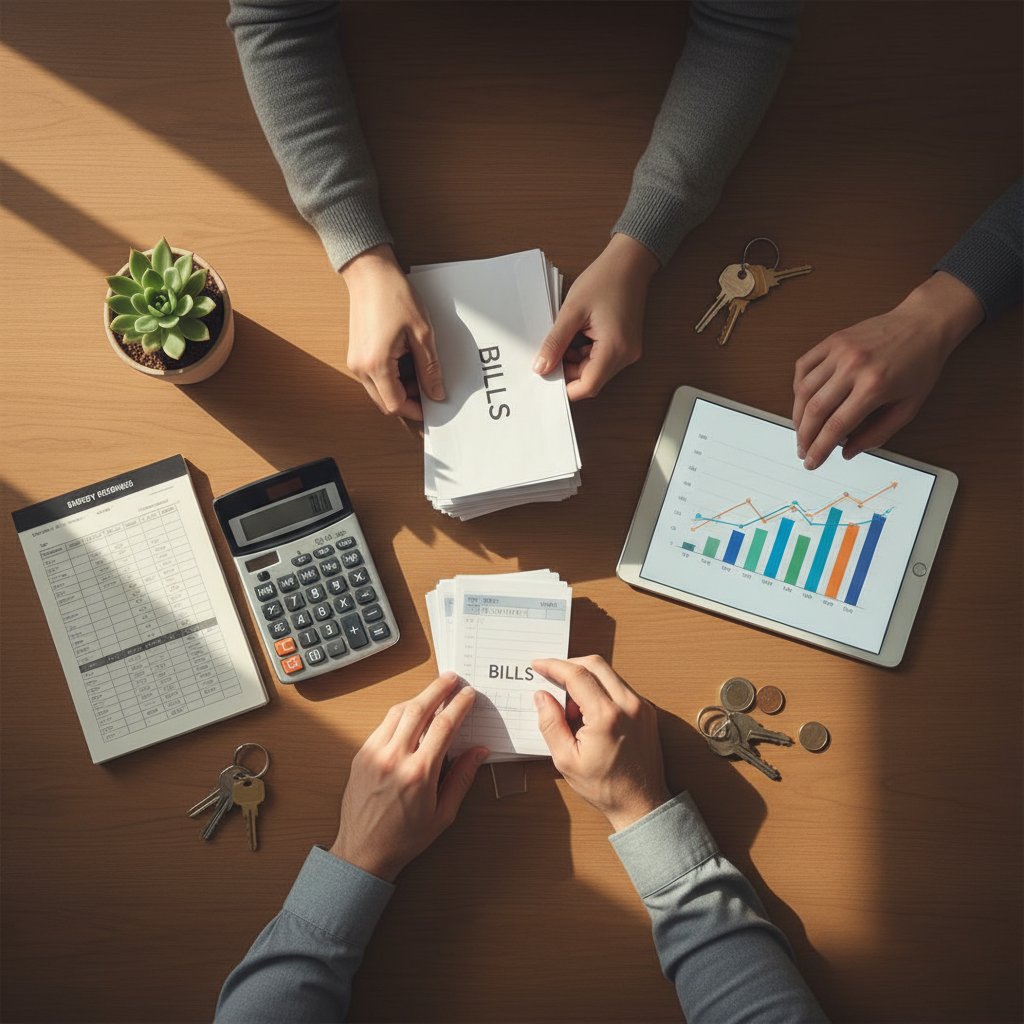
Family implementing utility management strategies

Experience & Expertise

Our team includes 8 specialists with backgrounds in household economics, energy efficiency, and family budgeting. Collectively, we bring 47 years of experience working directly with Bulgarian households. We've analyzed consumption data from over 850 families, identifying patterns specific to local housing types—from panel apartments in Lyulin to houses in Dragalevtsi.

This hands-on work taught us that generic advice fails. A family of six in a Sofia apartment faces different challenges than a similar household in Plovdiv. We develop strategies based on actual Bulgarian utility rates, seasonal weather patterns, and the realities of multi-generational living arrangements common here.

📊

Data-Driven

Every recommendation comes from analyzing real household data, not assumptions. We track what actually reduces costs for families similar to yours.

🎯

Practical Focus

We skip theoretical advice and provide specific actions. Our methods work within typical Bulgarian household routines and budgets.

🤝

Family-Centered

Large families have unique dynamics. Our strategies account for multiple schedules, varying ages, and the need for solutions everyone can follow.

💡

Transparent

We explain exactly how each habit affects your bills. You'll understand the reasoning behind every suggestion we make.